The Enigmatic Appeal of Small Blades in Virtual Worlds
When I think about the vast arsenal available in PC games, my mind often drifts to the more dramatic weaponry – colossal greatswords, powerful rifles, or arcane staves crackling with energy. But honestly, it's the humble, often overlooked dirk or dagger that truly captures my imagination. There’s something inherently compelling about these smaller blades, isn't there? They aren't about brute force; instead, they whisper promises of precision, speed, and lethal finesse. For me, they embody a specific kind of gaming experience, one focused on outmaneuvering rather than out-tanking.
We've seen these knives pop up in countless RPGs, action games, and even stealth titles, serving as the signature weapon for some of gaming's most iconic characters. But what really separates a 'dirk' from a 'dagger' in this digital landscape? Is there even a difference beyond semantics, or does a game's specific interpretation genuinely alter how we play? I've spent a fair bit of time pondering this, and I'd like to share my thoughts on why these weapons remain so enduringly popular among players like me.
Defining the Blades: More Than Just Sharp Points
Let's clarify what we're talking about here. Historically, the distinction between a dirk and a dagger can be a bit blurry, but there are generally accepted characteristics. A dagger is, by definition, a short knife designed primarily for thrusting or stabbing. It typically features a sharp point and often two sharpened edges, making it a highly effective close-quarters weapon. Think of something easily concealable, made for a quick, decisive strike.
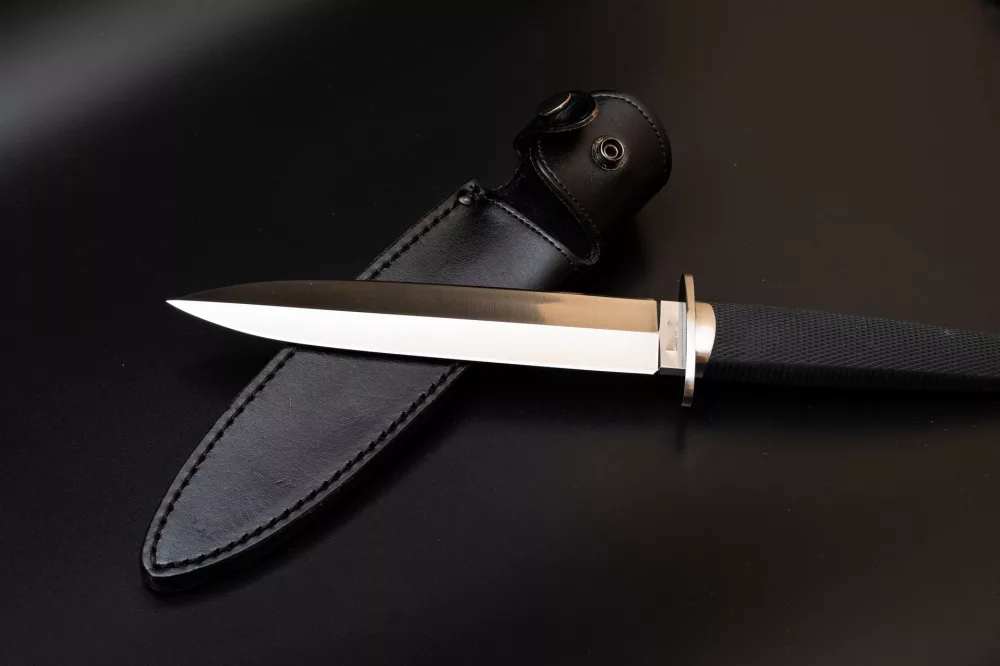
A dirk, on the other hand, usually refers to a long-bladed thrusting dagger, historically associated with Scottish Highlanders. It often has a single sharp edge and a strong, stiff blade, sometimes almost resembling a short sword. I've noticed in games, however, that these historical nuances frequently get blurred. Sometimes a 'dirk' might just be a slightly fancier or longer 'dagger' in terms of stats or appearance, without really changing its core function. It’s a cosmetic or lore distinction more than a mechanical one a lot of the time, which is interesting when we consider the detailed weapon systems some games boast.
The Role of Dirks and Daggers in PC Gaming Archetypes
When I pick up a game, the choice of weapon often dictates my playstyle. For dirks and daggers, we're talking about a very specific niche. They are almost universally tied to certain character archetypes, and I think that’s part of their enduring allure. My experience tells me these blades shine brightest when wielded by:
- Rogues and Assassins: This is the most obvious pairing, isn't it? The quick, silent strikes, the ability to exploit vulnerabilities, and the emphasis on stealth are practically synonymous with these classes. A dagger in the hand of a rogue means a potential backstab for massive damage.
- Thieves: Similar to rogues, but often with more emphasis on utility like lockpicking and pickpocketing, daggers provide quick self-defense or a silent means to neutralize a guard.
- Certain Rangers: While many rangers favor bows, I've seen builds where a ranger uses dual daggers for close-range skirmishes, especially if they're focused on agility and quick evasion.
- Specific Mage Builds: Believe it or not, some games allow for arcane assassins or spellblades who use daggers to deliver touch-based spells or as a last resort in melee.
The beauty here lies in the synergy between the weapon and the playstyle. These blades aren't meant for standing toe-to-toe with a hulking brute; they're for getting in, hitting hard, and getting out before the enemy even knows what happened. It’s a rush, honestly, pulling off a perfect stealth kill.
Combat Mechanics and Game Implementations
How do games actually represent these small blades? It's not just about aesthetics. Their mechanics are crucial to why I often choose them:
- Speed: Daggers and dirks are almost always the fastest weapons in their class. This translates to more attacks per second, which can be fantastic for applying status effects like poison or bleed, or for hitting critical thresholds more often.
- Stealth Multipliers: This is a big one for me. Many games provide significant damage bonuses for attacking from stealth or hitting an enemy's weak spot with a dagger. There's nothing quite like dropping a boss with a single, well-placed stealth attack.
- Dual-Wielding: The ability to equip two daggers, one in each hand, dramatically increases attack speed and often allows for unique dual-wielding abilities or animation sets. It just feels so fluid and deadly.
- Critical Hit Potential: Because of their speed and emphasis on precision, daggers often have higher critical hit chances or multipliers. This means those quick attacks can occasionally deliver devastating bursts of damage.
- Low Base Damage: I won't lie; this is their primary drawback. Without stealth multipliers or critical hits, their individual strikes often feel weak compared to axes or swords. It means I've got to play smarter.
- Short Reach: Another obvious limitation. Getting up close and personal is a must, which means I've got to master dodging and positioning.
From the swift animations in Elder Scrolls V: Skyrim, where a simple iron dagger can become a lethal tool for a sneaky assassin, to the precise backstabs in World of Warcraft that define a rogue's identity, games consistently lean into these mechanics. I’ve enjoyed the feeling of weaving through enemy lines in Assassin's Creed games, using a hidden blade or small dagger for silent takedowns, which are incredibly satisfying.
Iconic Examples That Stick With Me
I've got a few favorites that really highlight the impact of these blades:
- The Hidden Blade (Assassin's Creed series): While technically not a dirk or dagger in the traditional sense, its function, speed, and stealth focus perfectly embody the spirit of these weapons. It's the ultimate stealth kill tool, iconic and instantly recognizable.
- Warglaives (World of Warcraft): Not all daggers are small! While many WoW daggers are classic rogue fare, some, like the famous Warglaives of Azzinoth, are larger and more visually distinct, blurring the lines with short swords but retaining the fast attack speed often associated with daggers.
- Shivs and Daggers (Fallout series): In the post-apocalyptic world, a humble shiv or combat knife can be a lifesaver. They exemplify the idea of making do with what you have, and often become surprisingly effective melee weapons in the right build.
- Dragonbone Dagger (Skyrim): An endgame dagger that can become absurdly powerful with crafting and enchantments, allowing for one-hit kills on even tough enemies when paired with stealth perks. It demonstrates the scaling potential.
- Dire Daggers (Diablo series): These often come with unique affixes that synergize perfectly with specific rogue or demon hunter builds, transforming them into foundational pieces of powerful loadouts.
It's always cool to see how different developers take the core concept and adapt it, sometimes adhering to historical definitions, sometimes purely for gameplay balance or fantasy flair.
Advantages and Disadvantages: My Personal Balancing Act
So, why would I choose a dirk or dagger over, say, a massive two-handed axe or a longsword? It really boils down to how I like to play:
The Upsides:
- Unmatched Attack Speed: This allows for quick burst damage or rapid application of debuffs and poisons.
- Stealth Dominance: If a game has a stealth mechanic, daggers are almost always the optimal choice for silent, lethal takedowns.
- Agility and Mobility: Often, equipping lighter weapons means faster movement or less encumbrance, which suits an agile playstyle.
- Precision Strikes: Targeting weak points or performing critical hits feels incredibly rewarding.
The Downsides (which I don't always mind):
- Limited Reach: I have to be right next to my target, which can be risky against enemies with wider attack arcs.
- Lower Base Damage: Without critical hits or stealth bonuses, standard attacks might feel underwhelming.
- Less Crowd Control: They're not designed for hitting multiple enemies at once, requiring more careful target prioritization.
For me, the downsides just mean I need to be more strategic. I've got to consider my positioning, my approach, and how to maximize those critical opportunities. It makes the combat feel more engaging, honestly.
The Enduring Charm of the Small Blade
Whether a game calls it a dirk, a dagger, a shiv, or even a hidden blade, these small, agile weapons hold a special place in the PC gaming landscape. They invite us to embrace a different kind of combat – one built on cunning, speed, and precision rather than raw power. From the satisfaction of a perfectly executed stealth kill to the frantic flurry of dual-wielded attacks, they offer a versatile and deeply rewarding experience. I think that's why they'll always be a favorite for players who, like me, enjoy being the swift, silent force on the battlefield, making every strike count.