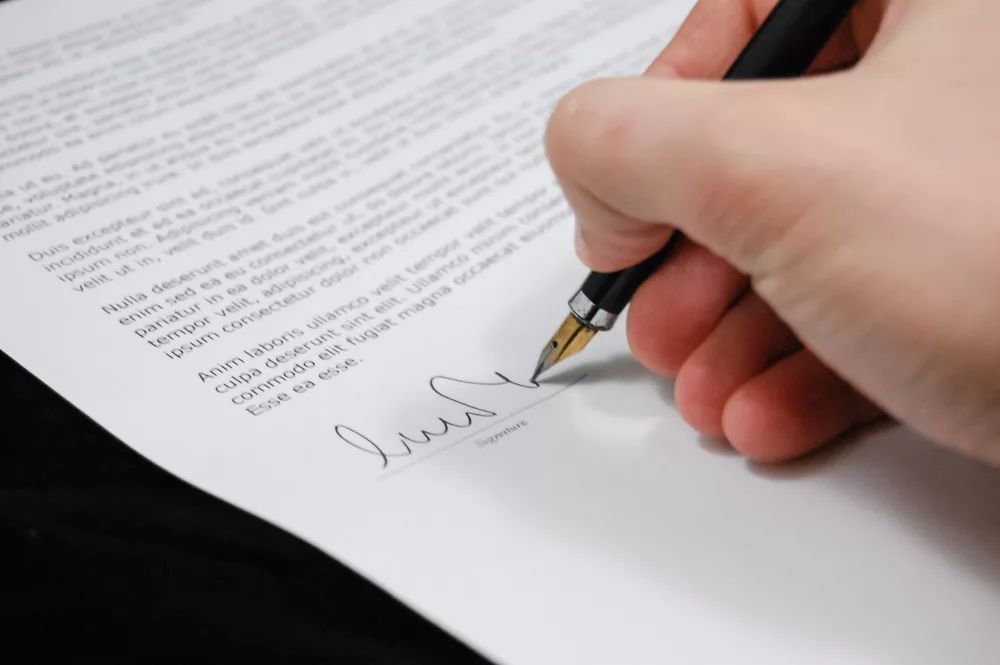
When someone appoints you as their Power of Attorney (POA), it's a huge responsibility, believe me. You're being entrusted with significant legal authority to make decisions or act on their behalf. This could be for financial matters, healthcare, or both. But here’s the thing: having that authority is one thing; exercising it correctly, especially when it comes to signing documents, is another entirely. I’ve seen so many people, myself included in the beginning, stumble over the seemingly simple act of putting pen to paper. It’s not just about signing your name; it’s about signing it in a way that legally binds the principal and clearly shows your authority, preventing potential headaches and legal challenges down the road. Let's walk through how to do this right, making sure you understand the nuances involved.
Understanding Your Role and Authority
First, before you even think about picking up a pen, you've got to be absolutely clear on what your Power of Attorney document actually grants you. Not all POAs are created equal, and this is where many people get into trouble. You might be a general agent, meaning you can handle almost all financial affairs, or you might have a special POA, which limits your authority to very specific actions, like selling a particular piece of property.
Types of Power of Attorney You Might Encounter:
- General Power of Attorney: This grants broad authority to act on behalf of the principal in a wide range of financial and legal matters.
- Durable Power of Attorney: This type remains effective even if the principal becomes incapacitated. Many POAs are drafted to be durable.
- Special or Limited Power of Attorney: This grants specific, restricted authority. For instance, you might only be authorized to sell a car or handle a single bank transaction.
- Medical or Healthcare Power of Attorney: Also known as an Advance Directive or Healthcare Proxy, this allows you to make medical decisions when the principal cannot.
Reading the document thoroughly isn't just a suggestion; it's a requirement. You need to understand the scope of your authority, any limitations, and when your powers actually begin (immediately, or upon certain conditions like incapacitation). I always tell people to keep a copy of the POA document handy, or at least know exactly where to find it. Sometimes, you'll need to present it to the institution you're dealing with, whether it's a bank, a hospital, or a government agency.
The Core Principle of Signing as Power of Attorney
The golden rule when signing as an agent under a Power of Attorney is this: you are signing for the principal, not as the principal. This distinction is incredibly important. You’re not pretending to be them; you’re acting on their behalf. If you simply sign the principal's name without indicating your agent status, it could be considered forgery, or at the very least, it might not be legally binding. Conversely, if you only sign your own name, without any reference to the principal or your POA status, you could inadvertently bind yourself personally to the agreement, which is usually not what anyone intends!
Proper Formatting for Your Signature
So, what does a correct signature look like? There are a few widely accepted formats, and it’s a good idea to stick to one of these to ensure clarity and legality. Most importantly, your signature should include three key pieces of information:
- The Principal's Name: This is the person you're acting for.
- Your Name: Your legal name as the agent.
- An Indication of Your Authority: Phrases like