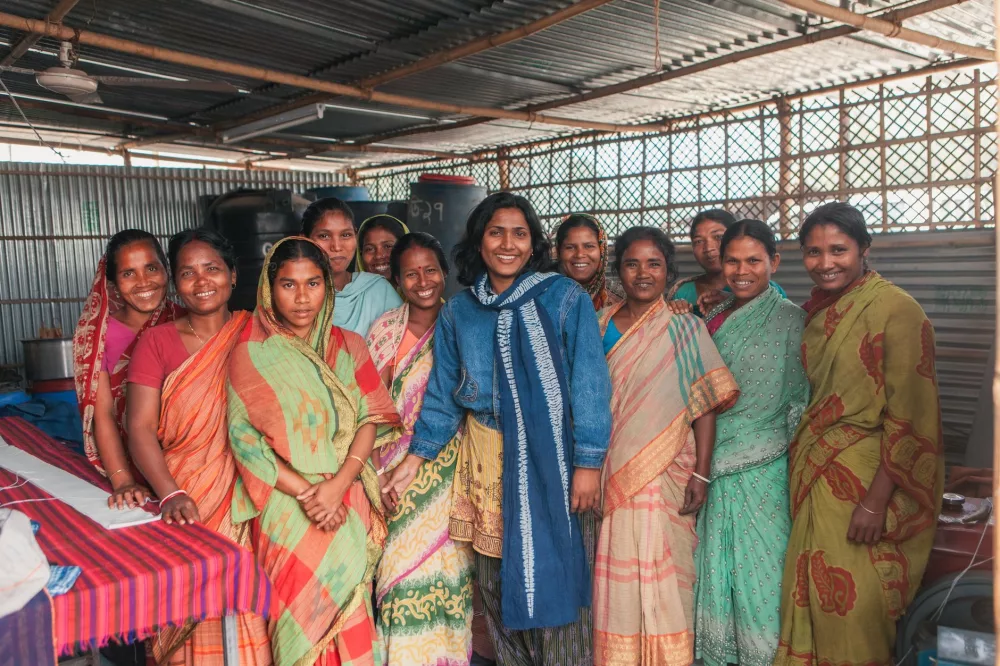
When you're searching for something as specific as a "Mahila Group Loan contact number," it tells me you're likely on a mission. You're probably looking to empower yourself or a group of women in your community, and that's an incredibly admirable goal. I get it; you want direct answers, a number to call, and someone to speak with. But you know what? It's not always as straightforward as finding a single universal contact. What we're talking about here is a vast network of financial support, often decentralized, and it requires a bit more digging than just punching a general number into your phone. So, let's unpack this together and figure out the best way for you to connect with the right resources.
Understanding Mahila Group Loans: More Than Just Money
First off, let's make sure we're on the same page about what a Mahila Group Loan truly represents. I'm not just talking about a simple financial transaction. These loans are a powerful tool for social and economic upliftment, primarily for women. They're typically offered to self-help groups (SHGs) – small collectives of women, often from similar socio-economic backgrounds, who come together to save money regularly and provide small loans to their members. The group acts as collateral, which is brilliant, isn't it? It means individual women, who might not have traditional collateral or credit histories, can still access finance. I've seen firsthand how these groups foster a sense of community, mutual support, and financial discipline. They're not just about getting a loan; they're about building agency and collective strength. So, when you're looking for a contact number, you're really looking for an entry point into this incredible ecosystem.
Why a Universal Contact Number Is a Myth
Here's the kicker: there isn't one single "Mahila Group Loan contact number" that works for everyone across the entire country. Why? Because these loans are facilitated by various entities, each with its own regional presence and operational structure. You've got:
- Microfinance Institutions (MFIs): These are specialized financial institutions that provide financial services to low-income individuals or groups. They operate locally and nationally.
- Banks (Public and Private Sector): Many commercial banks, as part of their financial inclusion initiatives, offer group loans to women's SHGs.
- Government Schemes: The government of India, through initiatives like the Deendayal Antyodaya Yojana-National Rural Livelihoods Mission (DAY-NRLM), actively promotes and supports women's SHGs, often linking them with banks for credit.
- Non-Governmental Organizations (NGOs): Numerous NGOs work at the grassroots level, forming SHGs and facilitating their access to financial services.
Given this diverse landscape, it makes sense that you can't just call one central helpline. What you need is a strategy to find the *local* and *relevant* contact information for the organizations operating in *your specific area*.
Your Strategy for Finding the Right Contacts
Okay, so how do we tackle this? I've got a few ideas that have worked for others, and I'm confident they can help you too. Think of this as a detective mission, where you're gathering clues to connect with the right people.
1. Start Local: The Power of Community
I always tell people, the best place to begin is right in your own backyard. Your community has a wealth of information. Talk to:
- Local SHG Members: Do you know any women who are already part of a self-help group? They're your best resource! They've already navigated this path and can likely give you direct contact numbers or point you to the local MFI or bank branch they work with.
- Panchayat/Village Heads: Local administrative bodies often have information about ongoing government schemes and partnerships with financial institutions in the area. They might have brochures or contact details.
- Community Leaders & Activists: People who are active in social work in your locality usually have strong networks and are well-informed about local development programs, including those for women's empowerment.
- Local Government Offices: Look for offices related to rural development, women and child development, or social welfare. They often coordinate these programs.
This grassroots approach is incredibly effective because it bypasses general inquiries and connects you directly with local implementers.
2. Leveraging Online Resources (Smart Searching is Key)
While a generic contact number is elusive, the internet is still a powerful tool, provided you know how to use it effectively. Don't just type "Mahila Group Loan contact number." Instead, try these targeted searches:
- "Microfinance institutions in [Your City/District/State]"
- "Women's self-help groups [Your Region] loans"
- "[Your Bank Name] SHG loan contact [Your Region]" (e.g., "SBI SHG loan contact Bihar")
- "DAY-NRLM contact [Your District]" (This refers to the National Rural Livelihoods Mission, a major government initiative supporting SHGs).
- "NGOs supporting women's SHGs [Your Area]"
When you find an MFI or bank, don't just look for their general helpline. Dig a little deeper on their website for a "rural banking," "microfinance," "financial inclusion," or "SHG linkage" section. These often have specific regional contact details or branch locators. I'd say this is a critical step, because a general customer service number might not connect you to the specialized team you need.
3. Visiting Bank Branches and MFI Offices
Sometimes, good old-fashioned in-person visits are the most effective. If you've identified a few potential banks or microfinance institutions through your online or local research, make a trip to their nearest branch. Ask to speak with someone in the rural banking, microfinance, or priority sector lending department. These are the folks who really understand the SHG loan process. They'll have the most current information and, crucially, the right contact numbers for their field officers or regional coordinators.
What to Prepare When You Make Contact
Once you've got those precious contact numbers or are ready for a visit, you'll want to be prepared. Being organized shows you're serious and helps the person on the other end assist you more efficiently. Here's what I'd recommend having ready:
- Your Group's Details: Have a clear idea of how many women are in your group, how long you've been together (if applicable), and your group's current activities or goals.
- Basic Financial Needs: Be ready to articulate what kind of loan amount you're looking for and for what purpose (e.g., small business, agriculture, education).
- ID Proofs: While you won't need to submit them immediately, know that you'll eventually need basic identification and address proofs for each group member (like Aadhaar cards, Voter IDs).
- Questions: Prepare a list of questions. I always say, there are no silly questions when it comes to finance. You might want to ask about:
- Eligibility criteria for the group and individual members.
- Loan amounts and tenure.
- Interest rates and repayment schedules.
- Required documents.
- The application process and typical timelines.
- Any training or support provided.
Having this information at your fingertips will make the conversation much smoother and more productive, trust me.
Navigating the Process: What to Expect
When you do get in touch, you'll find that the process generally involves a few steps. It's not usually an instant approval situation, but it's designed to be supportive. First, they'll want to understand your group – its formation, its members, and its saving habits. Many organizations prefer to lend to well-established SHGs with a consistent track record of internal lending and repayment. If your group is new, they might offer guidance on how to strengthen it before applying for an external loan. They might conduct a verification visit to your village or meeting place. This is pretty standard; they just want to ensure the group is legitimate and active. Transparency and consistency within your group are absolutely key here. Show them you're a cohesive unit with a shared vision, and you'll be well on your way.
A Final Thought on Persistence and Purpose
Finding the right "Mahila Group Loan contact number" is less about locating a single digit and more about embarking on a journey of discovery and connection within your community. It might take a few calls, a few visits, and a bit of persistence, but I can tell you, the rewards are immense. These loans aren't just about providing capital; they're about fostering independence, building confidence, and creating a ripple effect of empowerment that can transform not just individual lives, but entire communities. So, keep going. Your determination is the first step towards a brighter financial future for your group.